Deck Restoration vs. Replacement: An Annapolis Guide
Not sure if your deck needs a facelift or a full rebuild? Here's the honest framework we use to help Annapolis homeowners decide before winter sets in.
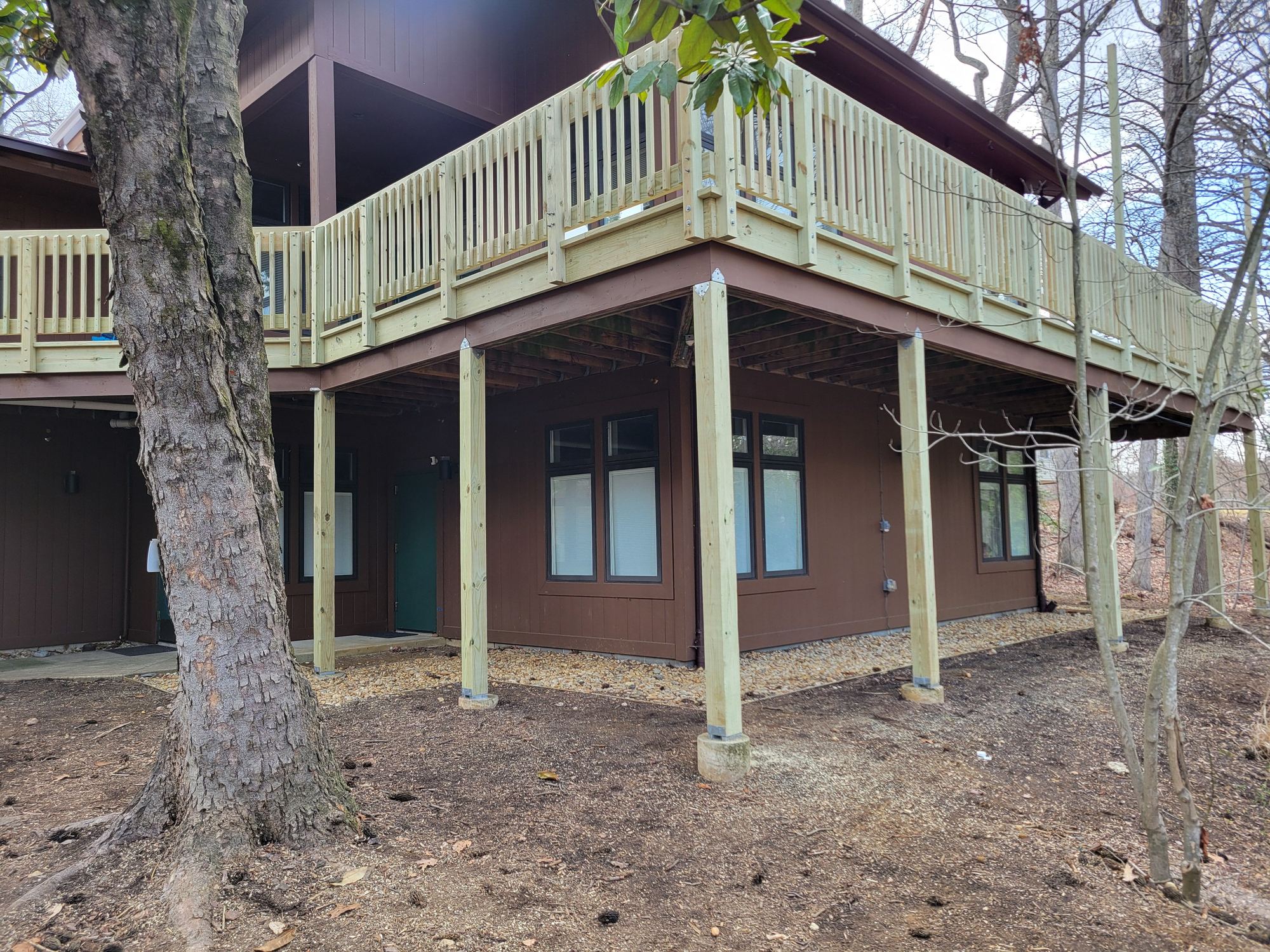
Deck Restoration vs. Replacement: Making the Right Call
Every fall, we get the same call from homeowners across Annapolis, Severna Park, and Arnold: "Is my deck worth saving, or do I need a new one?" It's a fair question, and the honest answer is that it depends on what's happening underneath the boards, not just how the deck looks from the kitchen window.
The deck restoration vs replacement decision comes down to a few concrete checks. We'd rather walk you through those checks than talk you into the bigger job. Here's the framework we use on every deck we inspect, so you can get a head start before winter sets in.
Start With the Structure, Not the Surface
Appearance is the easiest thing to notice and the least important thing when deciding between restoration and replacement. A deck can look tired and still be structurally sound. A deck can look fine and still be dangerous.
Before anything else, we check:
- Ledger board attachment — where the deck connects to the house. If it's pulling away, rotted, or improperly flashed, that's a safety issue, not a cosmetic one.
- Support posts and footings — soft, cracked, or shifting posts mean the deck's foundation is compromised.
- Joists — the framing under the boards. Press a screwdriver into the wood; if it sinks in easily, there's rot.
- Railings and stairs — loose railings are one of the most common safety hazards we find, even on decks that otherwise look great.
If any of these structural components are failing, that's not a weekend fix. Stop using that section of the deck and call a professional for a full evaluation. This is exactly the kind of issue our deck repair team handles first, before we even talk about appearance.
When Restoration Makes Sense
If the frame, posts, and ledger board check out, you're usually in good shape for restoration rather than a full rebuild. Restoration is the right call when:
- The structural bones are solid, but the surface has faded, grayed, or developed minor splintering
- You have a handful of rotted boards, not widespread decay across the whole deck
- The deck is functionally safe, but the finish has worn down and water is no longer beading on the surface
- You want to update the color or finish without the cost of a new build
Deck restoration in Annapolis almost always makes financial sense over replacement when the damage is limited to the wearing surface. We clean the deck, address any isolated deck repair for rotted boards, sand where needed, and refinish with a stain or sealant suited to our Chesapeake climate. You end up with a deck that looks renewed and is protected for the seasons ahead, at a fraction of the cost of tearing it out.
If you're not sure what finish or color fits your home, our colors and finish options page is a good place to see what's available before committing.
When Replacement Is the Smarter Investment
There's a point where restoration stops being the economical choice, even if it's tempting to patch things one more year. We typically recommend a new build when:
- Rot has spread through multiple joists or the ledger board itself
- Support posts are compromised and the footings need to be redone anyway
- The deck was built without proper permits or to outdated code, which shows up often on older Anne Arundel County properties
- Repair costs are approaching a significant percentage of what a new deck would cost, once you factor in labor, framing, and refinishing
- You're looking to change the footprint, add features, or switch to composite decking for lower long-term maintenance
In these cases, a new deck build gives you a clean structural start and the chance to choose between traditional wooden decks or low-maintenance composite decks, depending on how much upkeep you want going forward.
A Simple Rule of Thumb
If the problem is in the boards, it's usually restoration. If the problem is in the frame, it's usually replacement. That one distinction resolves most of the deck restoration vs replacement questions we hear from homeowners.
Why Timing Matters Before Winter
Water is the real enemy of any deck, and Annapolis winters give it plenty of opportunities to do damage. Freeze-thaw cycles work rot deeper into joists and posts, and moisture that sits in a cracked or peeling finish all winter will cause more harm by spring.
Addressing issues now, whether that's a repair, a resurfacing, or a full rebuild, means:
- Your deck isn't exposed to months of additional moisture damage
- Structural issues get caught before they become more serious safety hazards
- You're not scrambling for a contractor in the busy spring season
- If replacement is needed, framing can be completed while weather conditions are still workable
This applies just as much to waterfront properties with docks as it does to backyard decks. If you're dealing with a weathered or unstable dock in addition to deck concerns, our dock restoration and repair page covers how we evaluate those structures using the same safety-first approach.
What a Professional Evaluation Looks Like
When we come out to look at a deck, we're not there to sell you the biggest project possible. We check the structural components first, flag anything unsafe, and then talk through what's realistic for restoration versus what genuinely needs replacing. We'll tell you plainly if your deck just needs a good cleaning and refinish, and we'll tell you plainly if it's time for a rebuild.
You can see examples of both restoration and full rebuild projects we've completed around Annapolis, Crofton, Edgewater, and Davidsonville in our sample projects gallery, and get a sense of how we approach each job in our process.
Ready to Find Out Where Your Deck Stands?
If you're staring at a deck that's seen better days and you're not sure whether it needs a facelift or a fresh start, we're happy to take a look before the cold weather arrives. Call 410-263-6270 or request an estimate online, and we'll give you a straight answer on what your deck actually needs.
Frequently asked questions
How do I know if my deck needs to be replaced instead of restored?
If the main support posts, ledger board, or joists are soft, cracked, or pulling away from the house, that's a structural issue that usually points to replacement. Surface problems like faded color, minor splintering, or a few rotted boards can often be fixed through restoration and repair instead.
What does deck restoration actually include?
Deck restoration typically means cleaning, repairing or swapping out damaged boards, sanding, and refinishing with stain or sealant. It's focused on extending the life of a structurally sound deck and improving how it looks and feels underfoot, without tearing the whole thing down.
Can rotted boards be repaired without replacing the whole deck?
Often, yes. Individual rotted boards can be cut out and replaced if the framing underneath is still solid. We check the joists and support posts first, because rotted boards are sometimes a sign of deeper moisture damage that needs a closer look before we move forward.
How old does a deck have to be before it needs replacing?
Age matters less than condition. A 25-year-old pressure-treated deck with solid framing can sometimes be restored, while a 10-year-old deck with water damage at the ledger board may need rebuilding. We evaluate the wood and structure directly rather than going by age alone.
Is it worth restoring a deck before winter in Annapolis?
Yes. Freeze-thaw cycles and winter moisture make existing rot and loose connections worse. Addressing problems in the fall, before Annapolis winters set in, protects the structure and often costs less than waiting until spring when damage has spread further.