Winterize Deck Checklist: 8 Steps Before the First Freeze
Eight practical steps to protect your Annapolis deck and dock from freeze-thaw damage this winter, plus how to tell when a repair is actually structural.
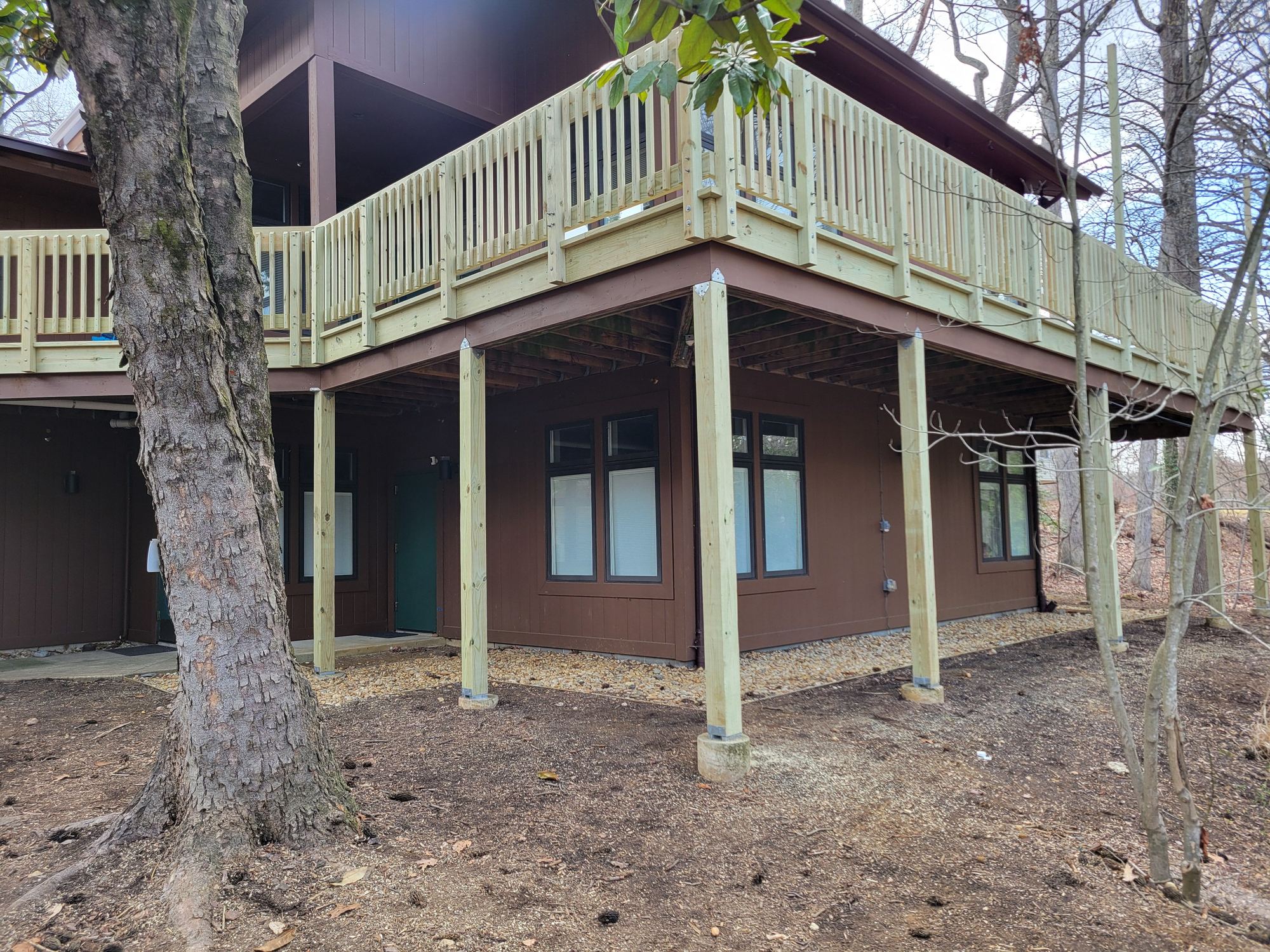
A Winterize Deck Checklist Built for Annapolis Weather
Annapolis winters aren't brutal, but they're wet, and that combination of moisture and freeze-thaw cycles is exactly what breaks down decks and docks over time. Water gets into wood grain, screw holes, and hairline cracks, then expands as it freezes. Do this enough winters in a row and a deck that looked fine in October is soft, loose, or unsafe by spring.
We've put together a winterize deck checklist that reflects what we actually see when we're called out to repair storm-damaged or neglected decks around Anne Arundel County. Work through these eight steps before the first hard freeze, and flag anything that looks like more than routine maintenance — that's usually the difference between a weekend fix and a bigger repair.
1. Clear Debris From the Surface and Between Boards
Leaves and pine needles trap moisture against the wood and in the gaps between boards. Sweep the deck fully and use a putty knife or stiff brush to clear debris from board spacing, especially in shaded corners that don't dry out quickly.
2. Wash the Deck Before You Seal Anything
Dirt, mildew, and algae hold water against the surface, which is the opposite of what you want heading into freezing weather. A proper cleaning before any sealant goes down is one of the most overlooked steps in any winterize deck checklist, and it's also the foundation of good pressure washing work on wood and composite surfaces alike.
3. Check Fasteners, Railings, and Stair Connections
Walk the deck and give railings a firm push. Check stair stringers and any ledger board connections to the house. Loose fasteners or wobbly railings aren't cosmetic issues — they're the first sign a structural component has started to fail. If you find movement at a railing post, a stair connection, or the ledger board, stop and have a professional assess it before anyone uses that deck again.
4. Look for Soft, Discolored, or Spongy Wood
Press on boards near the ground, around posts, and anywhere water tends to pool. Soft or spongy spots mean rot has already started, and freeze-thaw cycles will make it worse fast. This is one of the clearest signals that a repair, not just a seasonal clean, is needed. Our deck repair page walks through how we handle these structural corrections.
5. Seal Wood Decks Before Temperatures Drop
If you have a wood deck, now is the time to seal it. Water that soaks into unprotected wood and then freezes will expand the grain and accelerate cracking. A good rule: if water no longer beads on the surface and instead absorbs, your old sealant is worn out and it's time to reapply, ideally when temperatures are still above 50 degrees. We cover product and finish options on our colors and finish options page if you're deciding what's right for your wood.
6. Inspect Composite Decking for Loose Fasteners and Debris Buildup
Composite doesn't rot the way wood does, but it still needs attention. Check that boards are securely fastened, clean debris from gaps and under railings, and look for any fading or surface wear that might need attention before spring. If your composite deck is due for a refresh rather than just a clean, our composite decks page has more on what that involves.
7. Move or Elevate Furniture, Planters, and Grills
Anything sitting directly on the deck surface all winter traps moisture underneath it, and snow load adds weight you don't want concentrated in one spot. Store furniture if you can, or at minimum lift planters and heavy items off the deck surface with risers so water and snow can drain freely.
8. Winterize Your Dock Before the Water Freezes
Dock winterizing in Annapolis deserves its own attention, especially on tidal and brackish waterways where ice can form against pilings. Check decking boards for rot, inspect hardware for corrosion, and clear debris that holds moisture against wood or metal fittings. If pilings, cleats, or support posts show movement or deterioration, don't wait for spring — get it looked at now. Our dock restoration and repair page covers what's typically involved in getting a dock ready for winter and back in shape after it.
When a Checklist Item Turns Into a Repair
Running through this checklist is the easy part. The harder part is knowing when something you find is a quick fix versus a sign of a bigger problem. As a general rule, we always address unsafe components first, then move on to appearance and finish. If you're seeing soft wood, loose railings, or shifting posts, that's a structural issue, not a seasonal one.
This is also a good time to think honestly about repair versus replacement. A deck with isolated rot in a few boards or a single post is usually worth repairing. A deck with widespread soft spots, failing framing, or a layout that's never worked well for how you actually use the outdoor space is often better served by a full deck restoration or even a new deck build. We can walk you through which direction makes sense for your specific deck during an on-site visit.
If you're weighing a full deck remodel for next season rather than another year of patchwork repairs, our deck remodeling page is a good place to start thinking through layout and material options for Annapolis-area homes.
Protect Your Deck or Dock Before the Freeze Sets In
Working through this winterize deck checklist now, while the weather still allows for cleaning and sealing, is the best way to protect your investment through an Annapolis winter. If you get partway through and find something that looks structural — soft wood, loose connections, a dock piling that's shifted — that's exactly the kind of thing worth a second set of eyes before the ground freezes.
We serve homeowners throughout Annapolis, Severna Park, Crofton, Arnold, Edgewater, Davidsonville, and the rest of Anne Arundel County, and we're happy to take a look at a deck or dock and tell you honestly what it needs.
Call 410-263-6270 or request an estimate online, and we'll help you get your outdoor living space ready for winter.
Frequently asked questions
When should I winterize my deck in Annapolis?
Aim to finish your winterize deck checklist by late fall, before overnight temperatures start dipping near freezing. In Anne Arundel County that's usually mid-to-late November. Cleaning and sealing need dry conditions and temperatures above 50 degrees, so don't wait until the first cold snap to start.
Do I need to seal my deck every year before winter?
Wood decks generally benefit from sealing every one to two years, depending on sun and water exposure. If water no longer beads on the surface and instead soaks in, that's a sign the old sealant has worn off and it's time to reapply before winter moisture sets in.
Should I cover my deck for winter?
Full covers can trap moisture underneath and do more harm than good. It's better to keep the deck clean, dry, and well-drained, with furniture and planters stored or lifted off the surface so water and snow don't pool in one spot all winter.
How do I winterize a dock before freezing weather?
Dock winterizing in Annapolis means inspecting pilings, hardware, and decking for rot or looseness, clearing debris that traps moisture, and checking that fasteners haven't corroded. If your dock sits in water that freezes, ask about ice protection for pilings before temperatures drop.
Can freeze-thaw cycles actually damage a deck?
Yes. Water that gets into wood grain, screw holes, or hairline cracks expands as it freezes, widening those openings. Repeated freezing and thawing over a winter can turn small cosmetic issues into loose boards, popped fasteners, or weakened framing by spring.