Rotted Deck Boards in Annapolis: Quick Fix or Bigger Problem?
Annapolis homeowners: here's how to tell if a few rotted boards are a simple swap or a sign your deck's frame needs structural repair before winter.
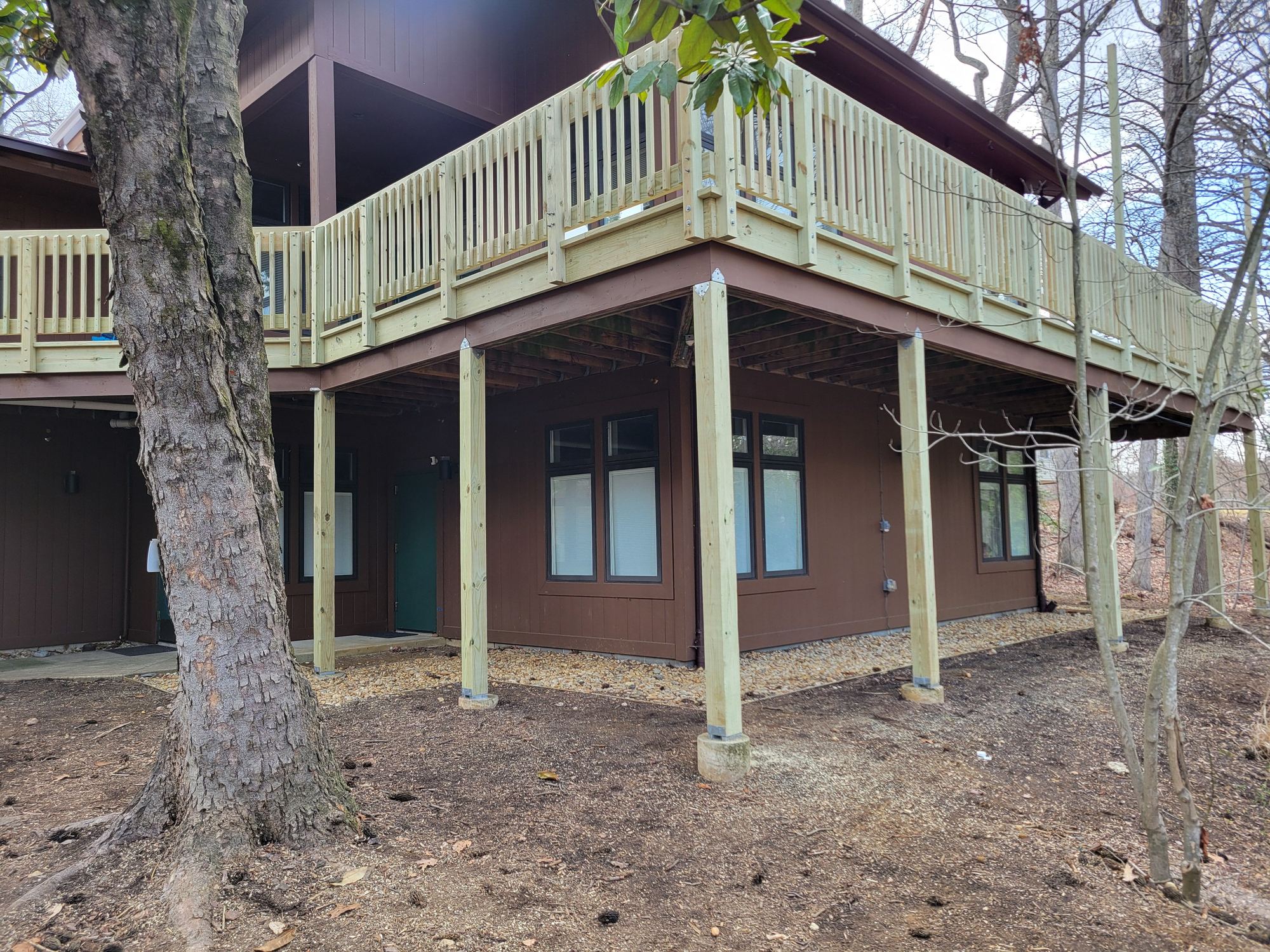
Deck Repair for Rotted Boards: What Annapolis Homeowners Need to Know Before Winter
If you have stepped onto your deck and felt a little give where there shouldn't be any, you are not imagining it. Rotted deck boards are one of the most common calls we get across Annapolis, Severna Park, Crofton, Arnold, Edgewater, and Davidsonville, especially this time of year as homeowners start thinking about winter. The good news is that not every soft board means a full rebuild. The not-so-good news is that some do, and the only way to know for sure is to look closely at what's happening both on top of the deck and underneath it.
This guide walks through how to tell a simple deck repair for rotted boards apart from a sign of a bigger structural issue, so you can make a smart call before freeze-thaw cycles make the decision for you.
Why Rot Shows Up Now
Anne Arundel County's humid summers and wet falls are hard on wood. Moisture gets trapped between boards, around fasteners, and in low-airflow spots near the house. Once that moisture sits long enough, decay sets in. It's slow at first, which is why a lot of homeowners don't notice until a board feels spongy underfoot or a stair tread flexes more than it used to.
Winter makes existing rot worse. Water that has already soaked into weakened wood freezes, expands, and pries the fibers further apart. A board that was marginal in October can be noticeably worse by February. That's why fall is the right time to look closely, not after the first hard freeze.
How to Check Your Deck for Rot
You don't need special tools for a basic inspection, but you do need to be careful. Here's what to look for:
- Soft or spongy spots. Press on the decking with your foot or hand. Healthy wood feels solid. Decayed wood gives slightly, almost like stepping on a sponge.
- Crumbling or sliver-prone wood. Rotted wood often breaks off in short, dry pieces instead of splintering the way sound wood does.
- Screwdriver test. On a board you can safely reach, press a screwdriver into a suspect area. If it sinks a quarter to half inch with little resistance, that's a sign of decay, not just surface weathering.
- Discoloration around fasteners. Dark staining or soft wood right around screws and nails often means water has been collecting there for a while.
- Gaps, cupping, or uneven boards. Boards that have pulled apart, warped, or sit unevenly can point to moisture problems in the wood itself or in the framing below.
If your deck has composite decking, don't assume you're in the clear. Composite boards resist rot, but the wood framing underneath them does not get that same protection. We've opened up composite decks that looked perfectly fine on the surface and found decayed joists or posts underneath. Sagging, excessive flex, or uneven composite boards are worth investigating even though the decking itself isn't rotting, because they often point to problems in the support structure beneath.
When It's a Quick Board Swap
Some situations really are straightforward. If the rot is limited to one or two boards, the framing underneath feels solid when you check it, and there's no soft wood at the connections, you're likely looking at a simple deck board replacement. This is especially true when the affected boards are in a low-traffic area, away from the ledger, and the rest of the deck feels stable when you walk and stand on it.
A board-only repair makes sense once you've confirmed the frame underneath is sound. That's an important "once." Replacing decking over a framing problem just hides the issue and lets it keep getting worse.
Warning Signs That Point to a Bigger Problem
Some signs mean you're dealing with more than cosmetic damage. Stop using the deck and call a professional if you notice any of the following:
- Rot or separation at the ledger, the board that attaches the deck to your house. This is one of the most safety-critical connections on any deck.
- Decayed posts, beams, or joists. These carry the structural load of the entire deck, and compromised framing is not something to patch over.
- Loose, corroded, or missing fasteners and connectors, especially at posts, beams, and the ledger.
- Swaying, sinking, or noticeable movement anywhere in the structure, including stairs and railings.
- Multiple soft spots across different areas, which often means moisture has gotten into the framing broadly rather than just one board.
If you see these signs, don't crawl underneath the deck or keep walking on it to "test" it further. Unstable decks can fail without much warning, and that's not a risk worth taking to save a phone call. Get a professional inspection before anyone uses the deck again.
Our approach has always been safety first: we repair the components that make a deck unsafe before we worry about how it looks. A deck can be beautifully resurfaced and still be unsafe underneath if the framing wasn't addressed first.
What a Repair Estimate Should Include
Whether you're dealing with rotted deck boards in Annapolis or a deck that's showing its age across the whole structure, a good estimate should separate:
- Decking material and labor
- Framing, posts, and beam work if needed
- Connections, fasteners, and flashing
- Disposal of old material
- Any allowance for hidden damage found once work begins
That last item matters more than people expect. Rot doesn't always stop where it's visible from the surface, so a fair estimate accounts for the possibility of finding more once a board or two comes up.
If you're weighing deck repair against a full deck restoration, the honest answer depends on how far the damage has spread. We'll always tell you straight whether a board swap gets you through the winter or whether the framing needs attention first. For decks on the water, the same logic applies to dock restoration and repair, since saltwater and freeze-thaw cycles put similar stress on structural wood.
Don't Wait Out the Winter
Rotted deck boards rarely improve on their own, and Maryland winters have a way of turning a minor repair into a bigger one. If you're seeing soft spots, crumbling wood, or movement anywhere on your deck, get it looked at now while the fix is still simple.
We serve homeowners throughout Annapolis, Severna Park, Crofton, Arnold, Edgewater, Davidsonville, and the rest of Anne Arundel County, and we're happy to take a look and tell you honestly what you're dealing with. Browse examples of past work on our sample projects page, or call us at 410-263-6270 or request an estimate online to get your deck checked before the cold weather sets in.
Frequently asked questions
How do I know if my deck boards are rotted or just stained?
Stains sit on the surface and the wood underneath still feels firm. Rot changes the wood itself: it turns soft, spongy, or crumbly, and slivers break off without a clean splinter. Press a screwdriver into the suspect area; if it sinks a quarter to half inch with little resistance, that board has decayed and needs attention, not just cleaning.
Is my deck safe to use if some boards are rotted?
It depends on where the rot is. A soft board on the surface is a tripping hazard but may not threaten the whole structure. Rot at the ledger, posts, beams, or joists is a different story. If you notice swaying, sinking, or movement anywhere, stay off the deck and have it inspected before using it again.
How much does deck board replacement cost in Maryland?
Costs vary with the scope of damage, material, and how much framing is affected. Swapping a handful of boards is far less involved than repairing joists, beams, or a failing ledger. We give Annapolis-area homeowners a clear, itemized estimate after inspecting the deck in person, separating decking from any structural work.
Can composite decking rot like wood?
Composite boards resist rot, but the pressure-treated wood framing underneath them does not get that protection. We regularly find decayed joists and posts under composite decking that still looks fine on top. That is why inspecting what is below the surface matters as much as checking the boards you walk on.
Should I repair or replace my deck before winter?
If the damage is limited to a few surface boards on a sound frame, repair now and you are set for the season. If you are seeing rot at structural connections, repeated soft spots, or movement, get it addressed before freeze-thaw cycles work into those weak points. We can tell you honestly which situation you are in.